
AI · Education
Dr. Roupen Odabashian, MD, FRCPC
16 yrs
of medical exams
265 · 271
USMLE Step 1 · Step 2 CK
For sixteen years, Dr. Roupen Odabashian wrote medical exams. Canadian licensing, American boards, and specialty certification on both sides of the border. He graduated second in his medical school class. He has sat exactly where you are sitting.
Every study tool available was used along the way. Banks of prewritten questions. Flashcards. Review courses. Textbooks. Some were helpful. Most were rigid, built for memorisation rather than understanding, and written against somebody else's syllabus — never the lectures actually sat through that week. None adapted to how the person in front of them was learning.
Alma exists because those tools were not good enough. It starts from the material you were assigned, and it works the same way whether the exam at the end is Step 1, the NCLEX, the AANP or the PANCE.
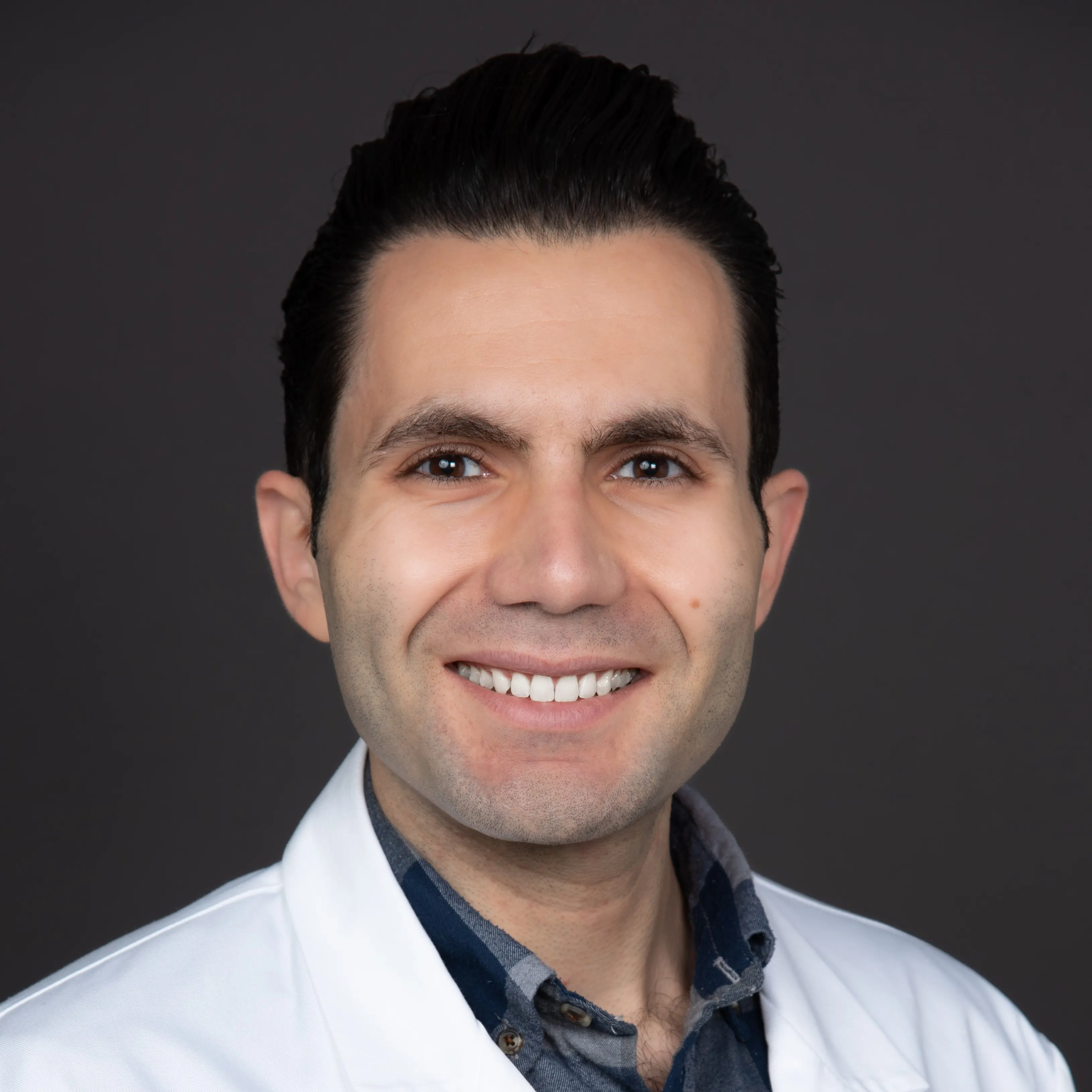
Alma was founded by Dr. Roupen Odabashian, a physician board certified by the American Board of Internal Medicine and the Royal College of Physicians and Surgeons of Canada (FRCPC).
His training spans three countries. MD from Aleppo University. Internal Medicine residency at the University of Ottawa. Specialty training at Wayne State University. He is currently pursuing coursework in machine learning and artificial intelligence at Stanford University.
His earliest clinical work was as a Physician Assistant at the Howard Karagheusian Commemorative Corporation in Beirut, a UN-affiliated centre providing care for Syrian refugees and underserved Lebanese communities. That experience set the foundation for Alma's core conviction: that good teaching should reach every learner, whatever their profession and wherever they are in it.
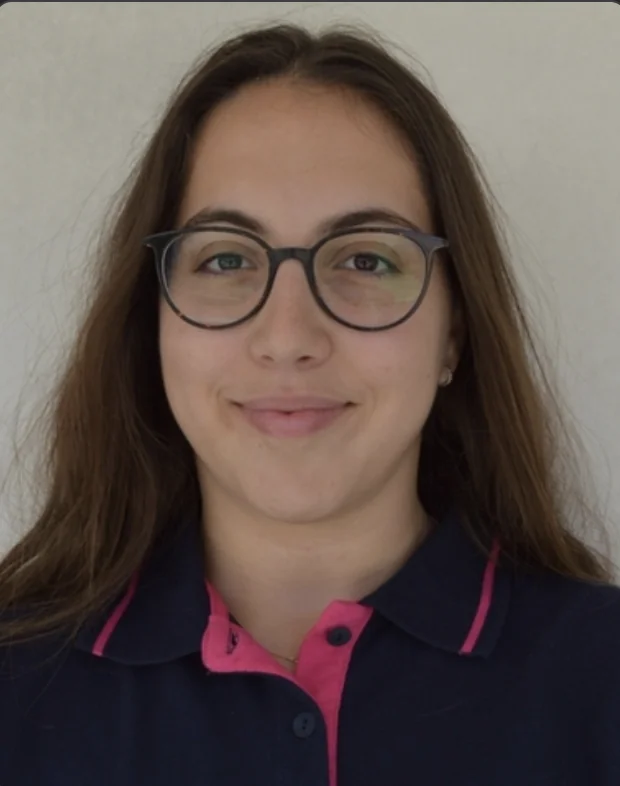
Valentina Movtchan is a 5th medical student at the University of Geneva with a strong interest in neuroscience research, global health, and medical innovation. She is involved in the MD-PhD research track, focusing on research experience and translational medicine. Alongside her academic work, she has experience in medical research projects, peer teaching, first aid instruction, and leadership within student surgical and neuroscience associations. A former elite synchronized swimming athlete and coach, she combines discipline, teamwork, and communication skills with a passion for healthcare, education, and technology.
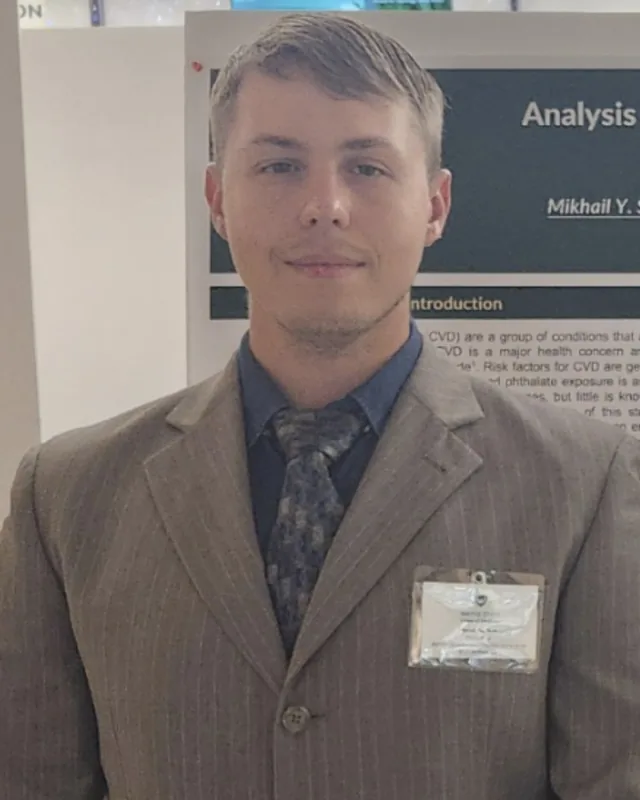
Mikhail Salnikov is a fourth-year medical student at Wayne State School of Medicine with a passion for computational research and its application to cancer genomics. His clinical interests include Hematology & Oncology, with a particular goal of pursuing an Internal Medicine Physician-Scientist Training Program (PSTP). His work bridges clinical care with bioinformatics, specifically developing genomic pipelines for multi-omic landscapes in oncology.
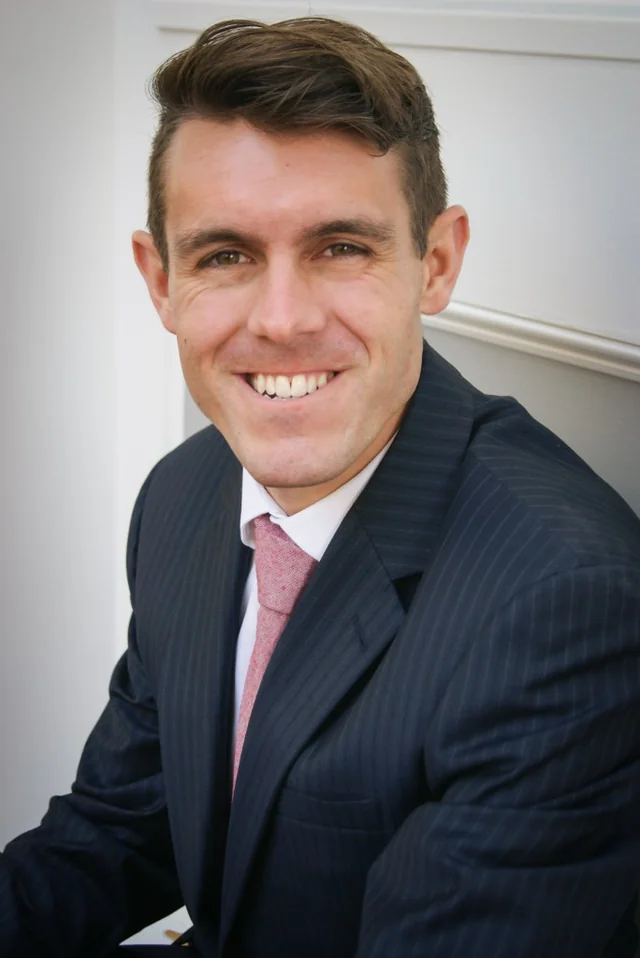
Dr. Daniel Barnett is an oncology physician in Tucson, Arizona, with training in internal medicine and ongoing fellowship training in hematology and medical oncology at the University of Arizona. His clinical interests include medical oncology, hematologic oncology and sarcomas. Outside of medicine, he enjoys skiing and playing tennis.
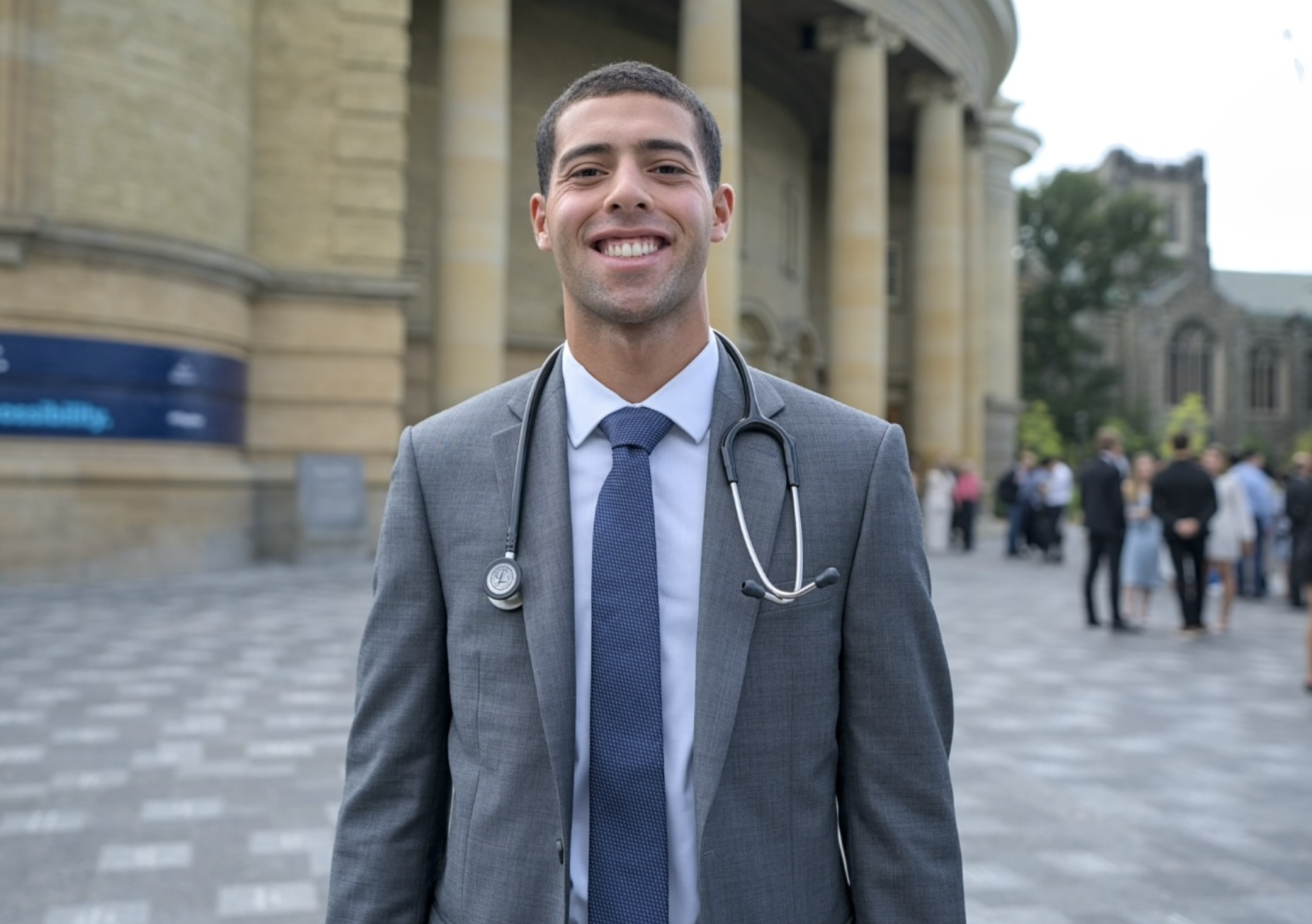
Ali Zidan is a third-year medical student at the University of Toronto. His interests lie in global oncology, reducing barriers to healthcare access, and using AI to improve health systems. He is the chair of several student organizations in Canada, a student researcher at Stanford University, and an advocate for change.
Alma is not a technology company that consulted a physician. It is a physician-led platform built on clinical experience and published AI research.
Dr. Odabashian has published peer-reviewed studies benchmarking large language models on clinical reasoning and evaluating AI as a decision-support tool. That work is about where these models perform well, where they fail, and what has to be true before a learner should trust one — which is exactly the question a study platform built on them has to answer.
What makes this different isn't the technology. It's that the person who understands the problem is the same person who built the solution.
✓
Clinician-Built, Not Clinician-Advised - Designed by a physician who has sat these exams, not by a product team who read about them.
✓
Built On Your Material, Not Ours - Your lectures, your course readings, your notes. Nothing here tests a curriculum you were never taught.
✓
One Suite, Four Professions - Medical, nursing, NP and PA students get the same tools pointed at Step, the NCLEX, the AANP and the PANCE.
✓
Grounded in Learning Science - Spaced repetition on the FSRS schedule and retrieval practice, because those are the methods the evidence supports.
Alma exists to help students and clinicians not only pass the exam in front of them, but arrive at the bedside with the understanding behind it — conceptual depth, confident clinical reasoning, and the habit of keeping what they learn.
The vision: every learner on a health-care track — medical, nursing, NP or PA — anywhere in the world and at any stage, deserves a study companion that starts from their own material and understands what they are being examined on.
If your study tools have never felt like they were made for you, this one was.